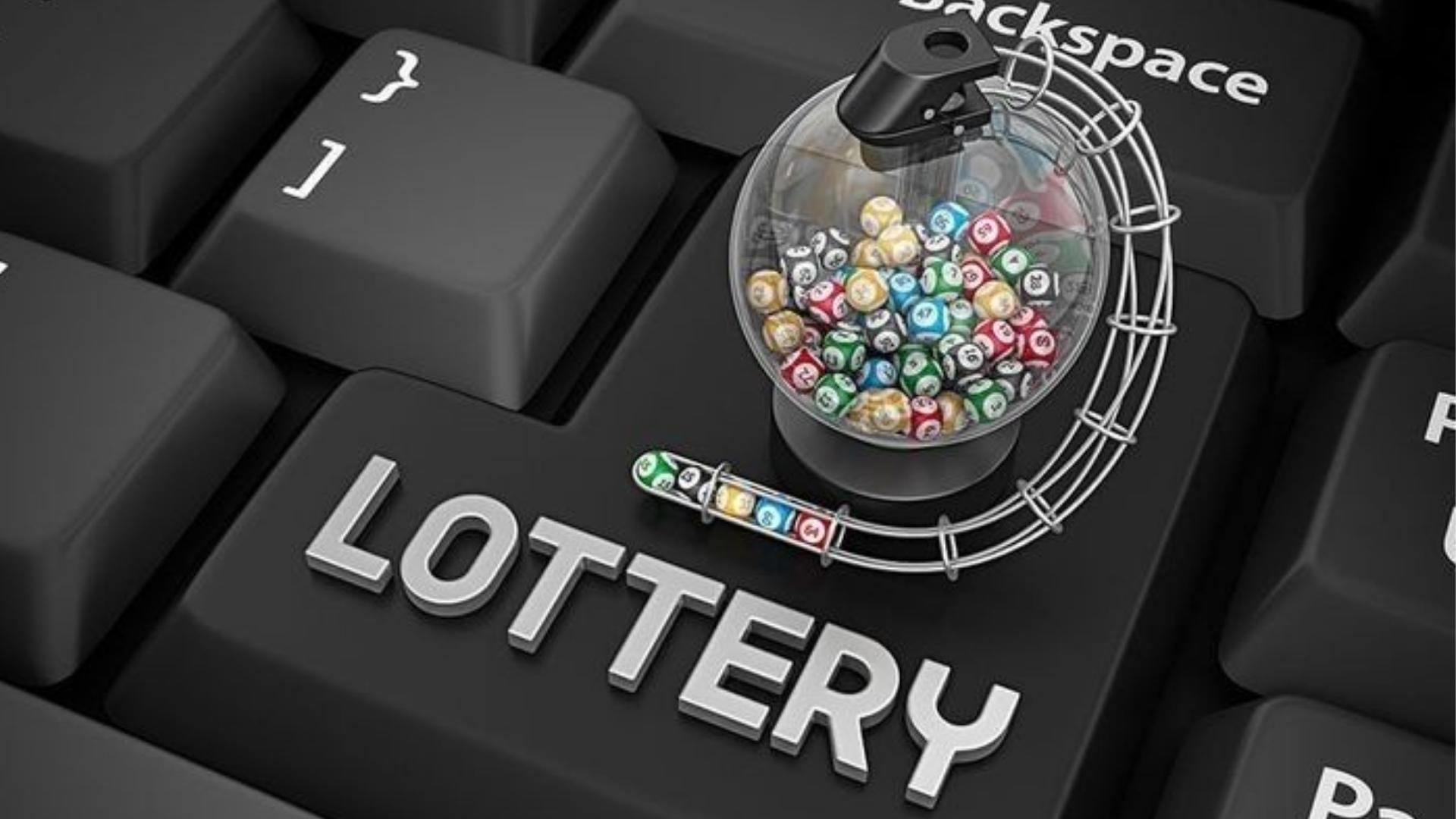
Millions of people around the globe dream of hitting a life-changing lottery jackpot every time they purchase a ticket. While winning remains largely a matter of random probability, understanding the mechanics behind these draws can help players make more informed choices. Distinguishing between popular myths and genuine mathematical realities is essential for anyone hoping to optimize their gaming strategy.
The Mathematical Reality of Odds and Ticket Quantities
The fundamental truth of any standard lottery is that every single number combination has an identical probability of being drawn. Purchasing additional tickets is mathematically the only direct way to increase your statistical likelihood of winning. However, going from a one-in-a-million chance to a two-in-a-million chance offers only an incremental gain rather than a guarantee.
For those interested in exploring different online gaming formats alongside traditional draws, checking reputable platforms like m88 central can provide insights into modern digital gaming options. Understanding how odds work across various games helps players manage their expectations effectively. Responsible play always begins with recognizing the inherent house edge in numbers games.
Joining Lottery Pools to Boost Purchasing Power
Participating in a syndicate or lottery pool is a popular approach to increasing total ticket volume without multiplying individual spending. By pooling financial resources with coworkers, friends, or family members, a group can purchase dozens or hundreds of entries at once. This approach significantly improves the collective odds of capturing a tier payout.
The primary tradeoff of joining a lottery pool is that any resulting prize must be divided equally among all group members. Clear written agreements regarding ticket ownership and prize distribution are crucial to prevent misunderstandings later. Overall, syndicates remain one of the most practical strategies for expanding your coverage in a cost-effective manner.
Selecting Less Popular Numbers to Avoid Splitting Prizes
Choosing specific combinations will not increase your underlying odds of winning, but it can dramatically influence how much money you collect if you do win. Many casual players choose numbers based on calendar dates like birthdays or anniversaries, which naturally limits their selections to numbers between 1 and 31. This habit creates heavy clusters on lower numbers across millions of participant cards.
Selecting higher numbers above 31 reduces the statistical probability of sharing a jackpot with other winning tickets. If a rare combination of less common numbers is drawn, a single winner is far more likely to claim the entire prize pool alone. While this tactic does not make a win more frequent, it maximizes the potential return when luck strikes.
Choosing Games With Better Overall Probability
Not all lottery games are created equal, and comparing matrices reveals vast differences in potential payout frequencies. Massive multi-state lotteries feature enormous jackpots but astronomical odds against winning the grand prize. Smaller state or local lotteries typically offer lower top prizes alongside significantly better odds of winning.
Casual participants seeking better overall return rates often find more frequent payouts in daily pick-3 or pick-4 games. Evaluating the full payout structure rather than focusing solely on top-line jackpot figures allows players to select games that better fit their personal entertainment goals. Balancing risk and potential reward remains the most realistic way to approach lottery play.